What I wish I knew before going to university.

This might be the one thing you wish you'd found six months earlier — give it 30 seconds.

Call to action →
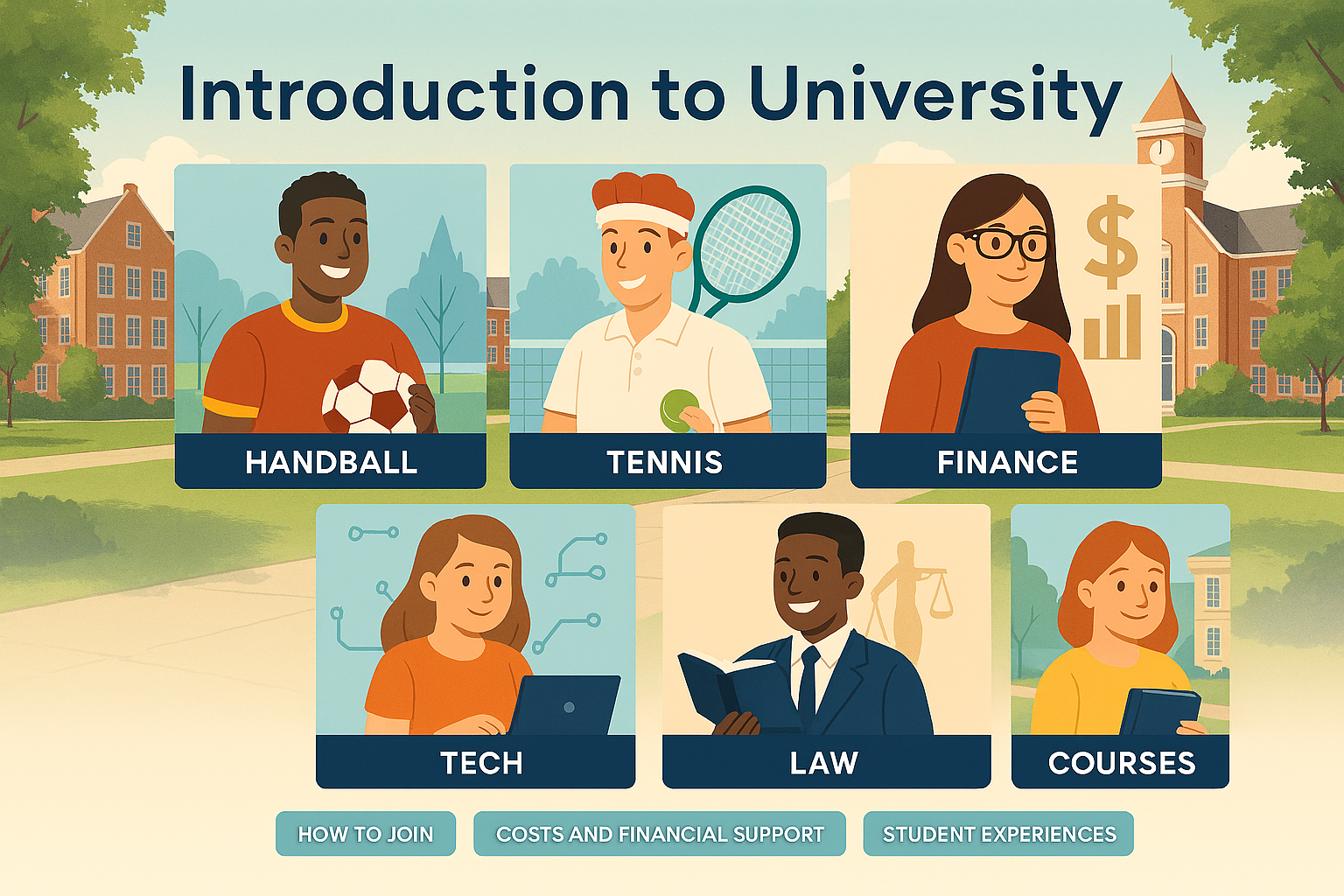
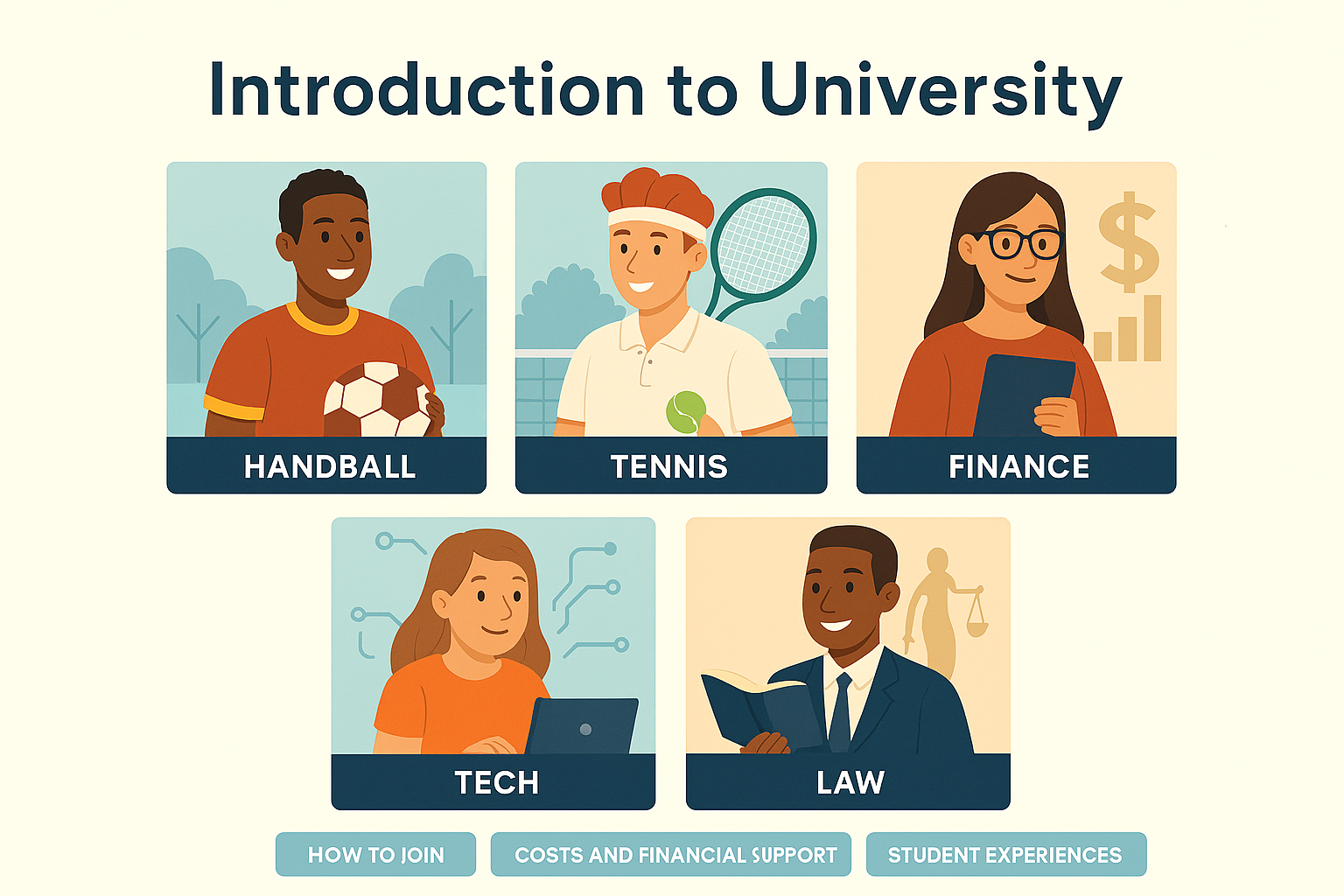
Illustrated FirstGen welcome page introducing university life — squares for societies like handball, tennis, finance, tech and law, with friendly buttons for how to join, costs and student experiences.
Designer's slide for the FirstGen story — a visual companion to the headline.

By the numbers

Researchers: replace these with real figures and a source link under each.

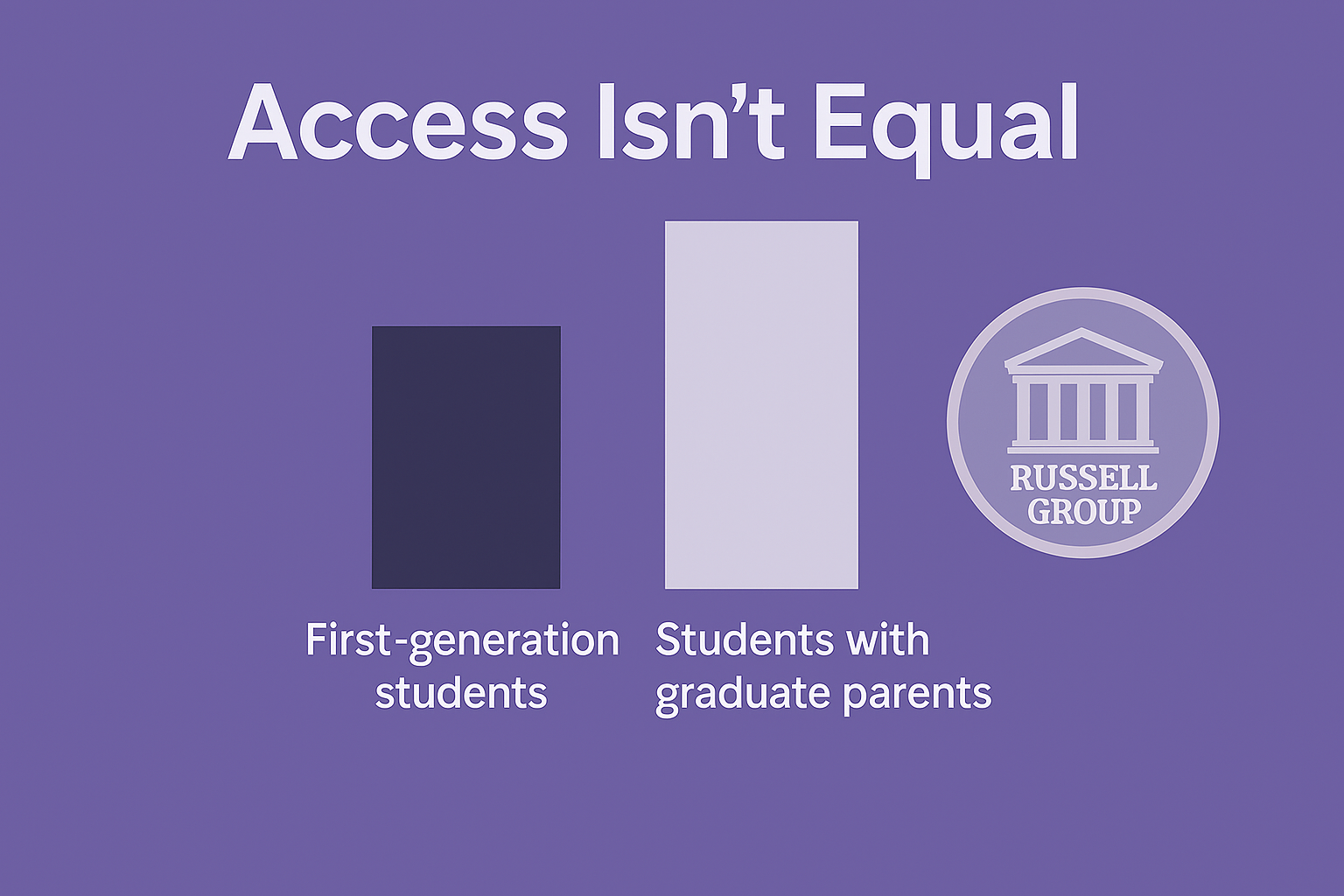
Far less likely
First‑generation students are far less likely to attend Russell Group universities than peers with graduate parents — even after accounting for prior attainment and background.
UCL Centre, 2021
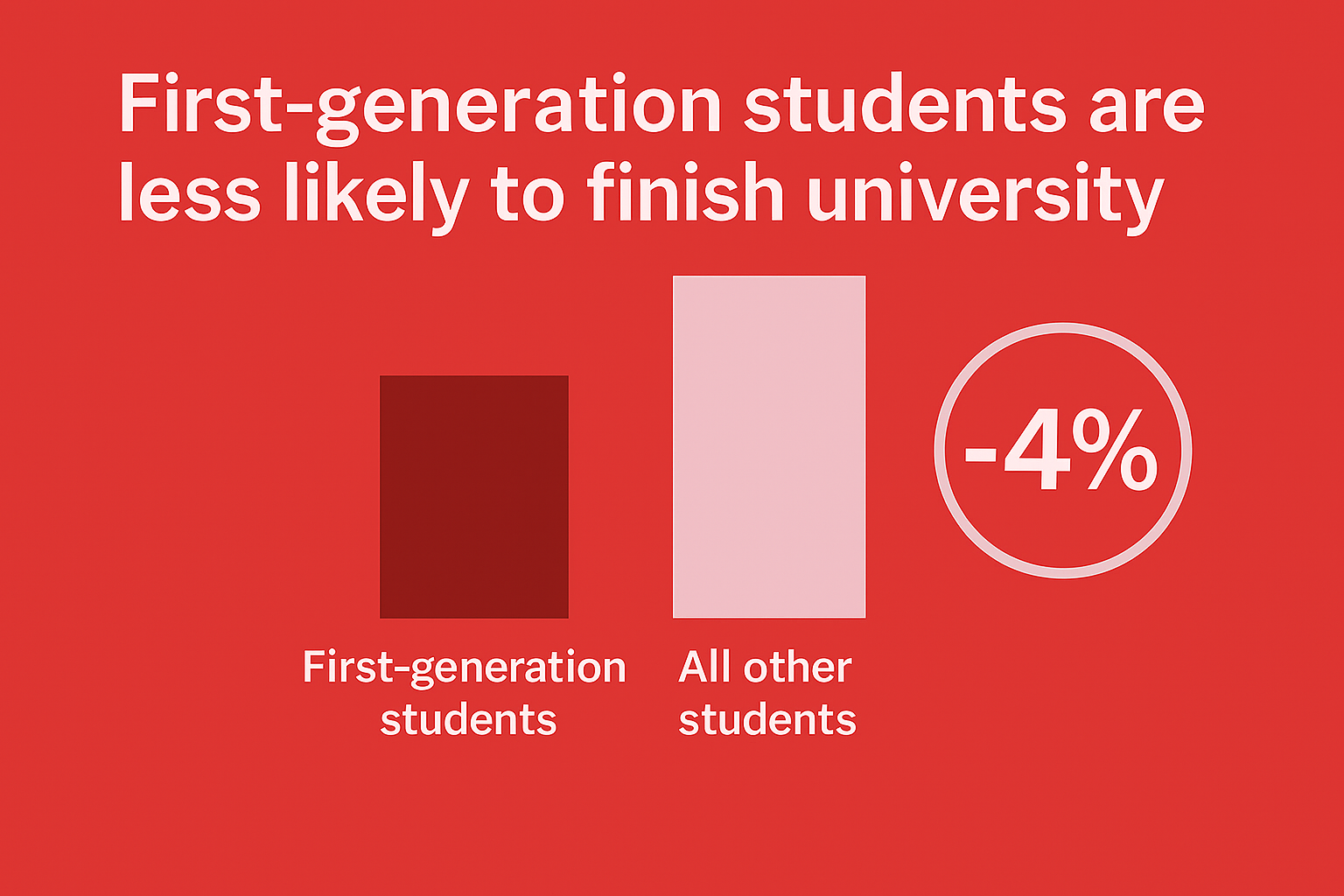
~4 pp lower
First‑generation students are less likely to finish university. National longitudinal data show degree completion rates are around 4 percentage points lower for students whose parents did not attend university, even after taking prior attainment into account.
UCL Centre for Longitudinal Studies / Nuffield Foundation, 2021
~£6,000 less / year
First‑generation graduates earn around £6,000 less per year on average than graduates with at least one graduate parent — even after accounting for subject, institution, prior attainment and background. Family experience of higher education keeps shaping outcomes well beyond graduation.
UCL Centre for Longitudinal Studies / Nuffield Foundation, ‘First in family’, 2021
Researcher's illustration on first‑generation student outcomes. Researcher's second illustration on first‑generation student outcomes.

What FirstGen is

FirstGen is a place for students who aren’t sure what uni is really like — made by people who’ve been there and remember feeling the same way. No buzzwords, no pressure, just real explanations and real experiences. Whether you’re applying, taking a gap year, or still deciding, this is somewhere you can figure things out at your own pace.

What uni is really like (no fluff)

📚 The workload

Most courses are about 15–20 hours a week of:

  • Lectures
  • Seminars / tutorials
  • Workshops or labs

On top of that, you’ll spend extra time prepping, reading, and doing assignments. Some weeks are chaos (deadlines everywhere). Other weeks are way more chill.

🧠 Different courses ≠ same effort

  • STEM / Medicine / Architecture → more contact hours, tighter schedules
  • Arts / Humanities / Social Sciences → fewer classes, more self‑study

Nothing’s “easy” — it’s just intense in different ways.

📖 Reading Week is a thing

Mid‑semester, most unis have Reading Week:

  • No (or very few) lectures
  • Time to catch up, revise, prep assignments, or breathe

Not a guaranteed holiday — but if you use it right, it saves you stress later.

⏰ Freedom = responsibility

Uni is flexible:

  • No one chases you if you skip lectures
  • You choose when and how to study

This is great if you manage your time. Dangerous if you don’t.

⚖️ Balance matters

Uni shouldn’t be your whole personality. The people who do best:

  • Study consistently
  • Make friends
  • Join societies, sports, projects
  • Build skills outside their course

That balance sets you up for future opportunities — not just grades.

💼 Reality check on internships

  • Most internships are aimed at 2nd year and above
  • First year is more about building foundations
  • Things ramp up closer to graduation

This is where uni can feel slow.

🧑‍🔧 Uni vs Degree Apprenticeships

University

  • More theory first
  • Flexible lifestyle
  • Work experience often comes later

Degree Apprenticeships

  • Real work from day one
  • Earn while you learn
  • Less flexibility, more structure

Neither is better — just different.

Surviving uni: the starter pack

Who it's for

FirstGen is for students who are thinking about university, heading into it, or taking a gap year because they’re not quite sure what they want yet. If you don’t have all the answers, don’t come from a uni‑going background, or just want someone to explain things without making you feel stupid, this space is for you. Wherever you’re at, FirstGen helps you slow things down and figure out what makes sense for you.

Voices

Words from first-generation students who've been there.

“Not having family experience of university was difficult — but it makes me proud to be paving the way on my own.”
First‑generation student, University of Bristol — Epigram, Bristol student newspaper, 2024
“I didn’t have my life planned out. I just chose a direction — and uni helped everything else click into place.”
Aisha Khan — first‑year Psychology, University of Manchester
“Uni wasn’t about getting everything right. It was about growing, changing my mind, and leaving more confident than I arrived.”
Tom Wilson — Computer Science graduate, University of Leeds

Common misconception: “First‑generation students are a small, uniformly disadvantaged minority.” Higher Education Policy Institute (HEPI), 2022

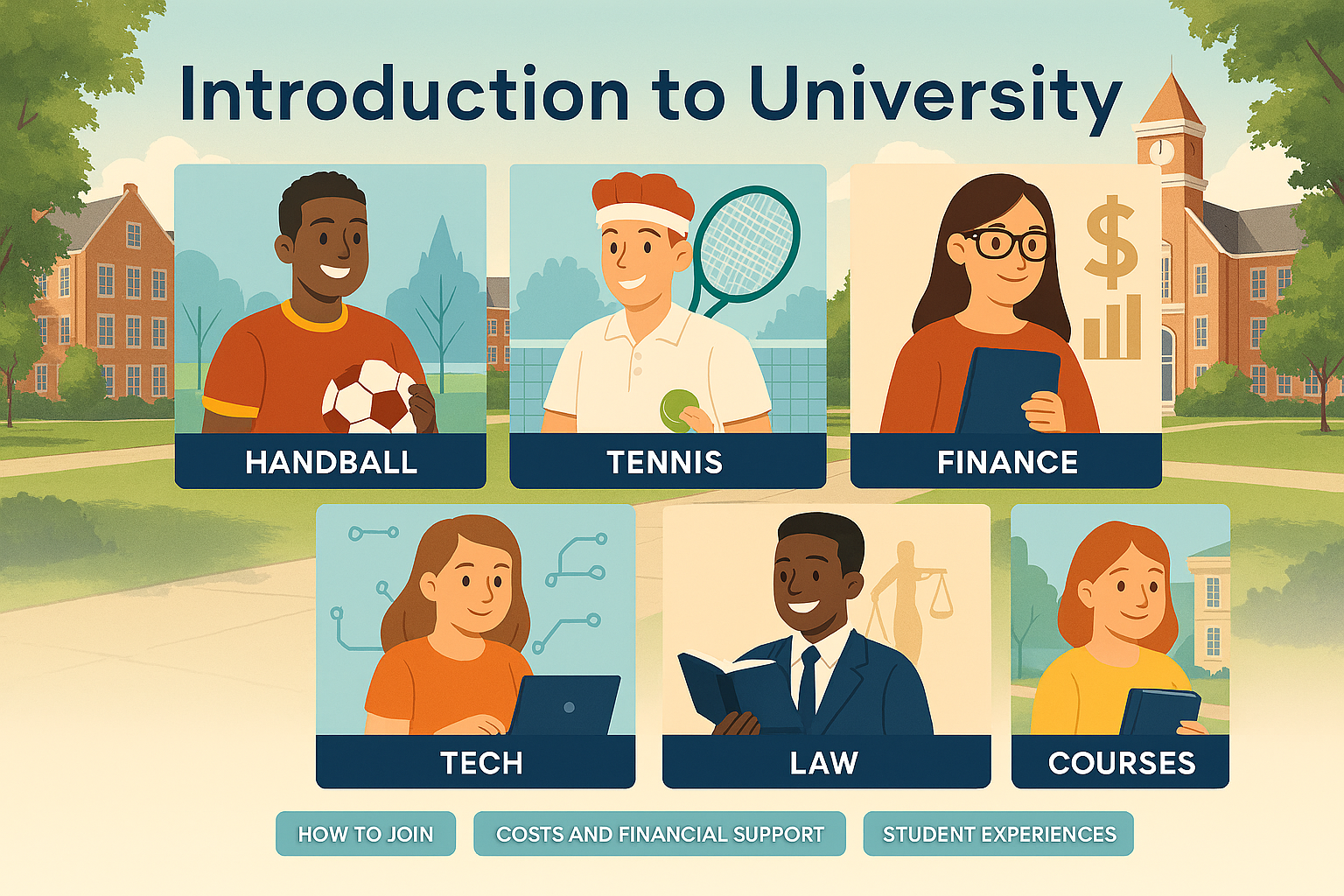
Designer's illustration of welcoming campus life and student societies. Designer's companion illustration of welcoming campus life and student societies.

How it helps

Rallying cries

Meet a buddy

I started uni in 2025 and honestly, I wish I’d known that no one else really had it all figured out either. I help students understand what day‑to‑day uni life is actually like — from choosing modules and keeping up with work, to making friends and dealing with money worries. If you’re unsure about applying, taking a gap year, or just want to ask ‘obvious’ questions without feeling awkward, I’m here for that.

Alternatives to university

When thinking about life after sixth form, university is just one of many exciting pathways available. There are several valuable alternatives that can provide both experience and qualifications without following the traditional university route. For example, degree apprenticeships allow you to earn a salary while gaining a recognised qualification, combining practical work experience with academic study. Some students choose to go straight into an entry-level job, enabling them to start building skills, gaining independence, and progressing within a career from an early stage. Others opt for a gap year, which can be a great opportunity to travel, volunteer, or work, helping to develop confidence, broaden perspectives, and gain real-world experience. Each of these options offers unique benefits, allowing students to find a path that suits their goals, strengths, and preferred way of learning.

Resources we trust

You belong here — even if no one ever told you that before.

If no one in your family’s done uni before, you’re not behind — you’re brave.

Start with FirstGen →

Built with care

Several early‑career graduates collaborating at work, smiling and engaged in their roles in an inclusive professional environment.

The principles we hold ourselves to, so this site is welcoming to everyone who lands on it.

Listening, not just reading

For anyone who reads more easily by ear — our text‑to‑speech checklist.

Built by

A team of first‑gen STEM students at the Sutton Trust × Microsoft hack, May 2026.